Not Every Cockroach Means the Same Thing,Why Proper Identification Matters
Few pests create the immediate reaction that cockroaches do.
Whether you spotted one racing across the kitchen floor, discovered a large roach in the basement, or found an unfamiliar insect crawling in the garage, it’s natural to have questions,and probably a little concern.
One of the biggest misconceptions we encounter is the belief that every cockroach sighting means you have an infestation.
The truth is, not all cockroaches behave the same way.
Some species are capable of establishing large indoor infestations that require prompt professional treatment. Others are primarily outdoor insects that accidentally wander inside and may never survive long indoors. Still others are commonly associated with moisture problems, drains, crawl spaces, or sewer systems.
Understanding which species you’re dealing with is one of the most important steps in determining whether you’ve encountered an isolated visitor or a problem that deserves immediate attention.
In this guide, we’ll introduce the cockroach species most commonly encountered throughout Central Ohio, explain how their behavior differs, discuss common signs of activity, and help you understand the most appropriate management strategies for each.
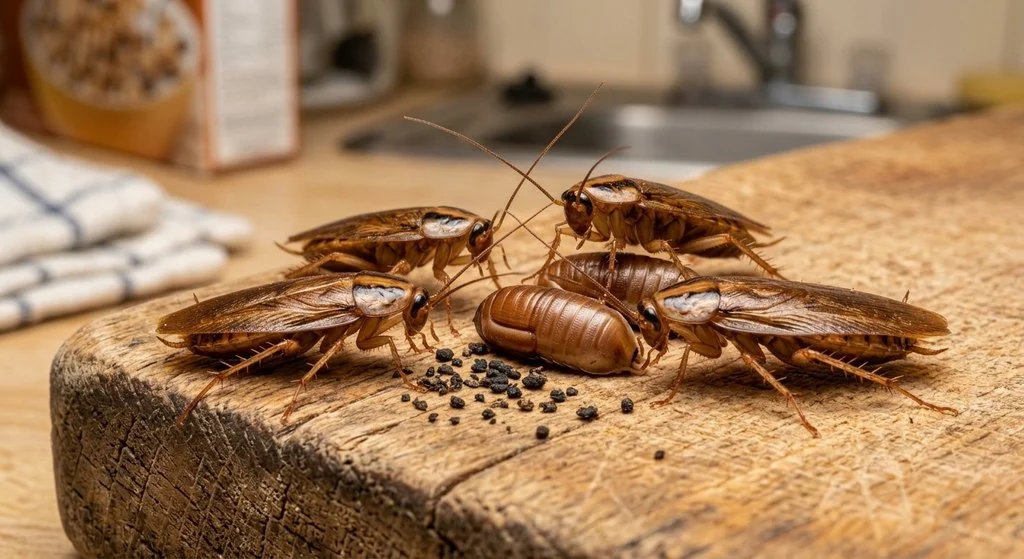
Need fast, reliable help? Our team is ready to assist you today.
One Name, Very Different Cockroaches
When most people hear the word cockroach, they picture a single insect.
From a pest management perspective, that’s a little like saying every bird is the same because it has feathers.
Different cockroach species have different behaviors, different habitats, different food preferences, and very different treatment recommendations.
- Some are true indoor pests.
- Some are primarily outdoor insects.
- Some thrive around moisture.
- Some reproduce rapidly inside structures.
- Others rarely survive indoors for long.
That’s why professional identification matters. The best solution depends on understanding exactly which cockroach you’re seeing,not simply that it’s a cockroach.
ACE Insight
With Jerika Zuckerman, ACE
Associate Certified Entomologist • Co-Owner
One of the first questions I ask when someone calls about cockroaches isn’t “How many did you see?“
It’s “Can you describe it?“
Its size, color, where it was found, and even what time of day it appeared all provide important clues. Two homeowners may both report seeing “a cockroach,” yet one may have a single outdoor species that accidentally wandered inside while the other has a German cockroach infestation requiring immediate attention.
Proper identification doesn’t just tell us what the insect is,it helps determine the most effective solution.
The Four Most Common Cockroaches in Central Ohio
Although there are thousands of cockroach species worldwide, only a handful are commonly encountered around homes and businesses throughout Central Ohio.
Let’s look at how they differ.
German Cockroaches
The Indoor Infesting Cockroach
If there’s one cockroach species that deserves immediate attention, it’s the German cockroach.
Unlike many other cockroach species, German cockroaches are true indoor pests. They thrive inside heated buildings where food, moisture, and shelter are readily available. Kitchens, restaurants, apartment buildings, break rooms, healthcare facilities, and multi-family housing provide ideal environments for them to reproduce.
Because they breed rapidly and spend most of their lives hidden in cracks, crevices, cabinets, wall voids, and behind appliances, populations can grow surprisingly quickly if left untreated.
Common characteristics:
- Light tan to brown
- Two dark stripes behind the head
- Usually ½–⅝ inch long
- Frequently found in kitchens and bathrooms
- Reproduce indoors
- Often active at night
If you repeatedly see small tan cockroaches indoors,especially in kitchens or around food preparation areas,professional treatment is strongly recommended.
American Cockroaches
The Large Moisture-Associated Cockroach
American cockroaches are the largest cockroach species most homeowners encounter. Because of their size, they’re often alarming,but their presence doesn’t always indicate the same type of infestation as German cockroaches.
American cockroaches are commonly associated with:
- Floor drains
- Sewer systems
- Boiler rooms
- Mechanical rooms
- Utility tunnels
- Basements
- Crawl spaces
- Commercial buildings
They prefer warm, humid environments and are often discovered after periods of heavy rain or when conditions encourage them to move indoors.
Finding a single American cockroach should prompt an inspection, but it doesn’t automatically mean your kitchen is infested.
Common characteristics:
- Reddish-brown
- Approximately 1½–2 inches long
- Excellent runners
- May occasionally fly short distances
- Strongly associated with moisture
Oriental Cockroaches
The “Water Bug”
Oriental cockroaches are frequently called “water bugs,” although they’re actually a species of cockroach.
They strongly prefer cool, damp environments and are often found in:
- Crawl spaces
- Basements
- Floor drains
- Utility rooms
- Around leaking plumbing
- Exterior foundation areas
Compared to German cockroaches, Oriental cockroaches reproduce more slowly and are much more dependent on moisture.
Their presence often suggests that excess moisture or drainage issues should be investigated as part of the solution.
Wood Cockroaches
The Outdoor Visitor
Here’s the good news.
Not every cockroach wants to live inside your home.
Wood cockroaches spend their lives outdoors beneath bark, logs, leaf litter, mulch, and wooded areas. Occasionally, one may wander indoors by accident, especially during the warmer months or if outdoor lighting attracts it toward the home.
Unlike German cockroaches, wood cockroaches rarely establish indoor infestations. Most cannot survive long inside modern homes because the environment simply isn’t suitable for them.
For many homeowners, finding an occasional wood cockroach indoors is similar to finding a beetle or cricket that accidentally wandered inside.
Maintaining a preventative exterior pest management program can often help reduce these occasional visitors before they make it indoors.
At a Glance: Common Cockroaches in Central Ohio
| Species | Typically Lives Indoors? | Reproduces Indoors? | Most Common Concern |
| German Cockroach | ✅ Yes | ✅ Yes | Active indoor infestation requiring prompt treatment |
| American Cockroach | Sometimes | Occasionally | Moisture, drains, basements, utility areas |
| Oriental Cockroach | Sometimes | Occasionally | Damp areas, crawl spaces, plumbing issues |
| Wood Cockroach | Rarely | ❌ No | Outdoor species that occasionally wanders indoors |
What Does It Mean If You Only Saw One Cockroach?
This is one of the first questions we hear after a homeowner spots a cockroach.
The honest answer is:
It depends on the species.
That’s why proper identification is so important.
For example, finding a single German cockroach indoors is very different from finding a single wood cockroach that accidentally wandered inside from the yard.
Here’s a general guide:
A Single German Cockroach
Because German cockroaches live and reproduce indoors, seeing even one should be taken seriously,especially if it was found in a kitchen, bathroom, pantry, apartment, restaurant, or other occupied space. These cockroaches are experts at hiding, and one visible insect may indicate additional activity nearby.
A Single American or Oriental Cockroach
Finding one large cockroach in a basement, garage, crawl space, or near a drain doesn’t necessarily mean there’s an established indoor infestation. These species are often associated with moisture, plumbing systems, or exterior environments and may occasionally wander inside.
A Single Wood Cockroach
In many cases, this simply means an outdoor cockroach found an open door, garage, or small gap and wandered indoors. While certainly unpleasant, a single wood cockroach is usually not cause for alarm and often does not indicate an infestation.
If you’re unsure which species you’ve found, professional identification can help determine the most appropriate next steps.
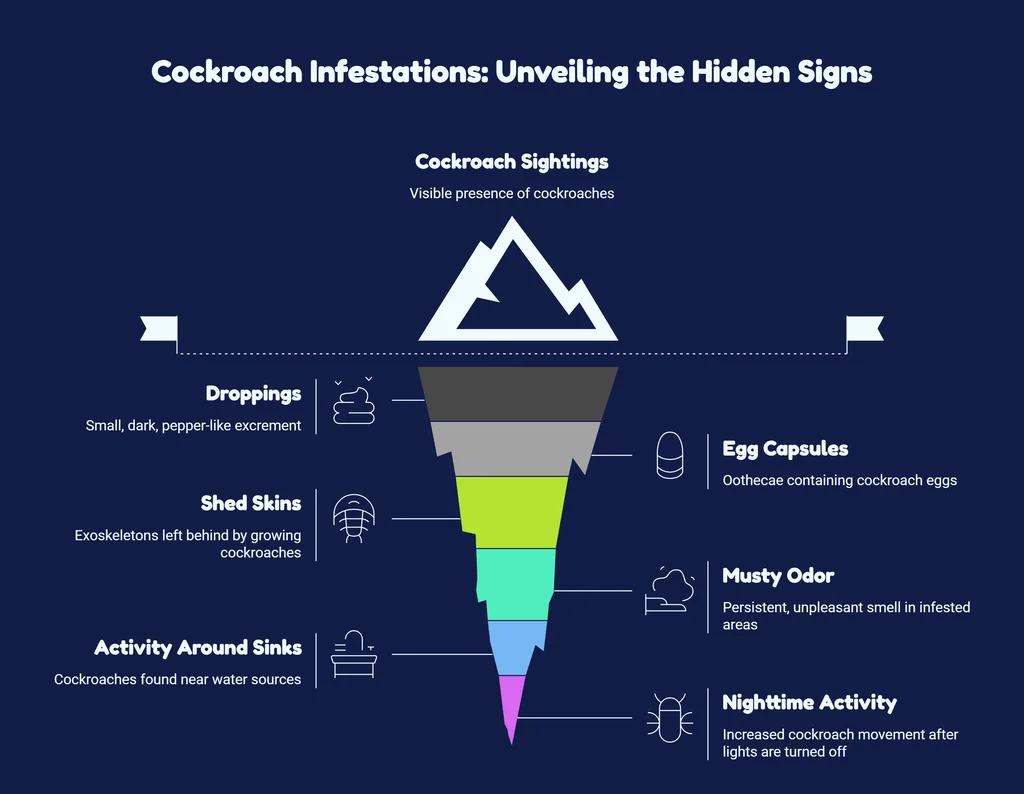
Signs You May Have a Cockroach Infestation
Cockroaches are masters at staying hidden, so it’s common for homeowners to notice signs of activity before they ever see large numbers of insects.
Some of the most common indicators include:
- Repeated cockroach sightings, especially at night
- Small dark droppings that resemble coffee grounds or black pepper
- Egg capsules (oothecae)
- Shed skins as immature cockroaches grow
- A persistent musty or oily odor in heavy infestations
- Live cockroaches around sinks, appliances, cabinets, or drains
- Increased activity after turning on lights at night
While one isolated sighting may not always indicate an infestation, repeated activity usually deserves further investigation.
Need fast, reliable help? Our team is ready to assist you today.
ACE Insight
With Jerika Zuckerman, ACE
Associate Certified Entomologist • Co-Owner
One thing I encourage homeowners to remember is that cockroaches are excellent at staying hidden.
They’re called thigmotactic, which simply means they prefer tight spaces where their bodies touch surfaces above and below them. That’s why they’re commonly found behind appliances, inside cabinets, beneath equipment, and inside narrow cracks and crevices.
If you’re seeing cockroaches out in the open during the day, it may suggest that competition for hiding places is increasing,or that the population has grown enough to push some individuals into less protected areas.
That’s one of many clues we consider when evaluating the severity of an infestation.
Preventing Cockroaches Around Your Home
The best prevention strategy depends on the species involved, but a few general practices can help reduce conditions that attract cockroaches.
Homeowners can often reduce risk by:
- Promptly cleaning food spills and crumbs.
- Storing food in sealed containers.
- Repairing plumbing leaks and reducing excess moisture.
- Cleaning beneath appliances and inside cabinets regularly.
- Sealing gaps around utility penetrations where practical.
- Maintaining door sweeps and weather stripping.
- Reducing clutter in storage areas.
- Keeping exterior mulch and debris away from the foundation where appropriate.
For outdoor species, maintaining a preventative exterior pest management program can also help reduce the number of insects that wander indoors throughout the year.
Professional Cockroach Management
Every cockroach problem is different.
That’s why effective treatment begins with identifying the species, evaluating the level of activity, and understanding the conditions that may be contributing to the problem.
For German cockroaches, treatment often involves a comprehensive program using professional baits, crack-and-crevice applications, insect growth regulators when appropriate, monitoring, sanitation recommendations, and scheduled follow-up visits to eliminate the infestation.
For American and Oriental cockroaches, treatment may focus on identifying moisture sources, inspecting drains and crawl spaces, reducing conducive conditions, and targeting areas where activity is occurring.
For outdoor species like wood cockroaches, a preventative exterior treatment program is often sufficient to reduce occasional indoor sightings without the need for aggressive interior treatment.
The goal isn’t simply to eliminate the cockroaches you see today,it’s to identify why they’re present and recommend the most appropriate long-term solution for your specific situation.
Why Proper Identification Matters
If there’s one thing we’d like homeowners to remember after reading this guide, it’s this:
Not every cockroach requires the same response.
Some species signal an active indoor infestation that deserves prompt attention.
Others point toward moisture issues, drainage concerns, or seasonal outdoor activity.
Still others are simply accidental visitors that found their way inside.
Taking the time to correctly identify the species helps ensure you’re solving the right problem,and avoids treating every cockroach sighting as though it’s the same situation.
Related Services
Whether you’ve found a single outdoor cockroach or are dealing with an established indoor infestation, selecting the right treatment begins with identifying the species involved.
Learn About Our Services
Cockroach Clean-Out Program →
Designed for established indoor infestations requiring a comprehensive treatment approach, including professional products, follow-up visits, and ongoing evaluation.
PestProtect 365 Home →
Our year-round preventative pest management program helps reduce activity from many occasional and outdoor cockroach species while protecting against dozens of other common household pests.
Annual Comprehensive Pest Inspection →
Not sure which cockroach you’ve found? A professional inspection can help identify the species, evaluate activity, and recommend the most appropriate management strategy.
Still Have Questions?
Cockroaches are one of the most misunderstood pests we encounter, and it’s completely normal to have questions after finding one.
If you’re unsure which species you’ve found,or simply want peace of mind,our team is happy to help.
Schedule an Inspection →
Contact Zuckerman’s Pest Management →
Have a photo? Send it to us! We can often identify common Central Ohio cockroach species from clear photographs and help point you in the right direction.
Meet the Expert Behind This Guide
Jerika Zuckerman, ACE
Associate Certified Entomologist • Co-Owner
Jerika Zuckerman is an Associate Certified Entomologist (ACE) through the Entomological Society of America and co-owner of Zuckerman’s Pest Management. She specializes in insect identification, integrated pest management (IPM), preventative pest management, and educating homeowners and businesses throughout Central Ohio.
Her goal is simple: help people understand the “why” behind pest activity so they can make informed decisions about protecting their homes, families, and businesses.
Sources & References
This guide is based on current entomological research, university extension publications, industry best practices, and field experience serving homeowners and businesses throughout Central Ohio.
Primary references include:
- Entomological Society of America (ESA)
- Ohio State University Extension
- National Pest Management Association (NPMA)
- Ohio Department of Agriculture (ODA)
- University extension publications
- Peer-reviewed cockroach biology and integrated pest management research
- Manufacturer technical literature for professional cockroach management products where applicable
Educational Disclaimer
This guide is intended for educational purposes and discusses the cockroach species most commonly encountered throughout Central Ohio. Every property and infestation is unique, and treatment recommendations vary depending on the species present, the extent of activity, building construction, sanitation, moisture conditions, and other contributing factors. Professional inspection is recommended whenever recurring cockroach activity is observed.
Need fast, reliable help? Our team is ready to assist you today.
Frequently Asked Questions
I found one cockroach. Should I be worried?
Not necessarily. The answer depends largely on the species. A single German cockroach found inside a kitchen or bathroom may indicate additional hidden activity because German cockroaches live and reproduce indoors. On the other hand, finding a single wood cockroach that accidentally wandered inside from outdoors is usually much less concerning. Proper identification is the first step in determining whether you’ve encountered an isolated visitor or a potential infestation.
What’s the most common cockroach in Central Ohio homes?
German cockroaches are the most common indoor infesting cockroach in homes, apartments, restaurants, and commercial kitchens throughout Central Ohio. However, American, Oriental, and Wood Cockroaches are also encountered regularly, each with different habits and treatment recommendations.
Are all cockroaches a sign of a dirty home?
No. While food and moisture certainly make an environment more attractive to cockroaches, they can be introduced into even clean homes and businesses through deliveries, grocery bags, used furniture, plumbing systems, neighboring units, or simply by wandering inside from outdoors. Good sanitation is an important part of prevention, but cleanliness alone does not guarantee that cockroaches won’t become a problem.
Why are cockroaches usually seen at night?
Most cockroach species are nocturnal, meaning they’re naturally more active after dark when it’s quieter and safer to search for food and water. During the day, they typically remain hidden in cracks, crevices, wall voids, cabinets, behind appliances, or other protected locations.
Do cockroaches bite people?
Cockroach bites are extremely uncommon. The primary concerns associated with cockroaches are contamination of food and surfaces, allergens produced by heavy infestations, and the nuisance they create rather than aggressive behavior toward people.
Can I get rid of cockroaches myself?
Small or occasional problems may sometimes be reduced with over-the-counter products, particularly when dealing with outdoor species. However, established German cockroach infestations are often much more challenging because they reproduce quickly, hide in inaccessible areas, and require a comprehensive treatment strategy. Correct identification and a targeted management plan generally produce the best long-term results.
Why do I keep seeing large cockroaches in my basement?
Large cockroaches found in basements are often American or Oriental cockroaches, which are commonly associated with moisture, crawl spaces, drains, plumbing systems, and utility areas. Their presence doesn’t automatically indicate the same type of infestation as German cockroaches, but it does suggest that an inspection may help identify why they’re entering the structure.