Introduction
Tick activity has been increasing rapidly across Central Ohio, and many homeowners are becoming more concerned about the potential health risks associated with tick bites.
In recent years, Ohio has seen a significant rise in tick populations, with 2025 bringing one of the largest tick surges reported across the region. Experts expect 2026 tick activity to be even higher, as warmer winters and favorable breeding conditions allow more ticks to survive and reproduce.
This increase is especially concerning because some tick species can transmit diseases such as Lyme disease, which has become more common throughout Ohio.
For families with kids, pets, and active outdoor lifestyles, understanding the connection between ticks and Lyme disease is an important step in protecting your yard and reducing tick exposure. Zuckerman’s Pest Management helps homeowners stay protected with effective yard pest control solutions.
Need fast, reliable help? Our team is ready to assist you today.
What Is Lyme Disease?
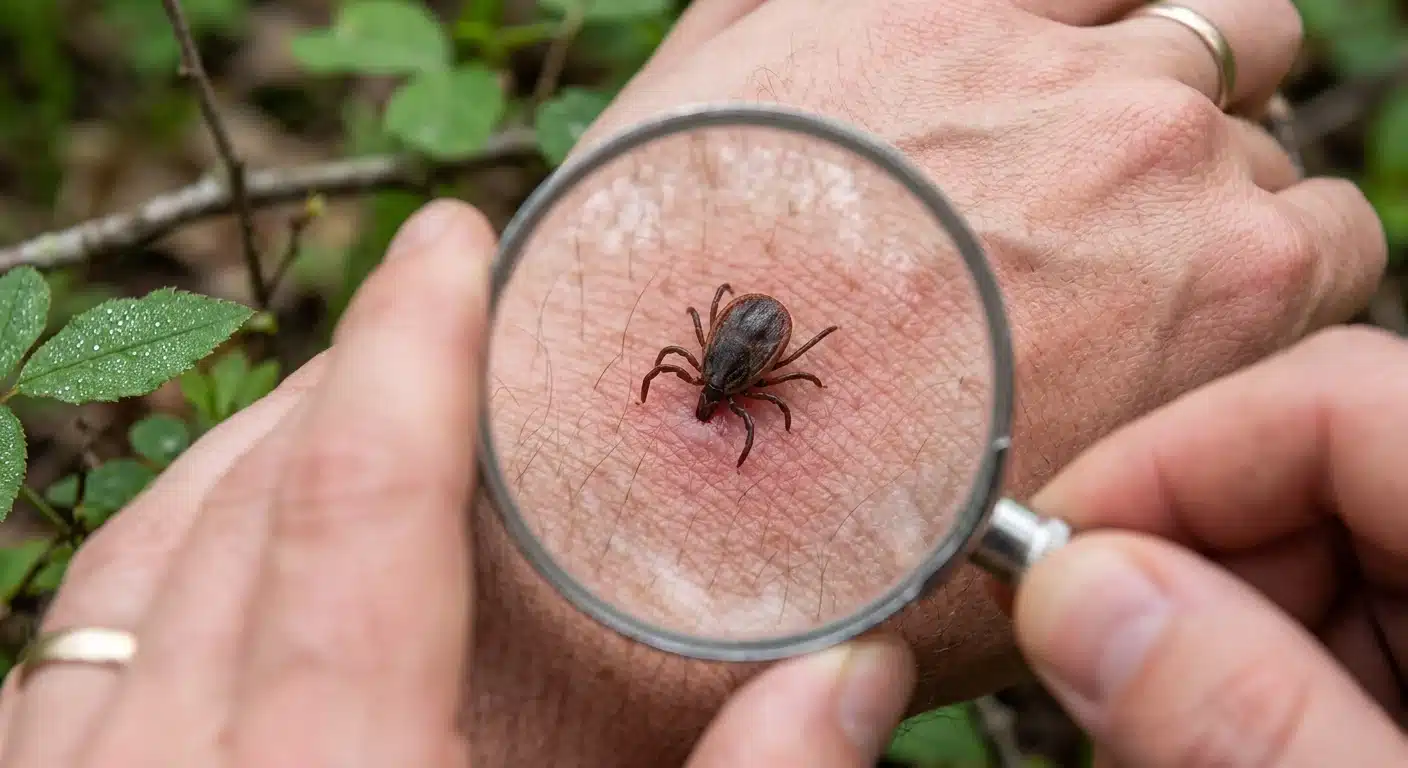
Lyme disease is a bacterial infection transmitted through the bite of an infected tick. The disease is caused by the bacterium Borrelia burgdorferi, which can be carried by certain tick species.
When an infected tick bites a person or pet, the bacteria may be transmitted into the bloodstream.
If untreated, Lyme disease can cause symptoms including:
- fatigue
- fever
- headaches
- joint pain
- muscle aches
- neurological complications
Early detection and treatment are important for preventing more serious complications.
Which Ticks Carry Lyme Disease in Ohio?
The primary tick responsible for spreading Lyme disease is the blacklegged tick, also known as the deer tick. This species has become increasingly common across Ohio over the past decade.
Blacklegged ticks are often found in:
- wooded areas
- tall grass
- leaf litter
- shaded landscaping
- brushy yard edges
As suburban development expands into wooded areas, deer ticks are becoming more common in residential neighborhoods throughout Central Ohio communities like Powell, Dublin, and Delaware.
Why Tick Populations Are Increasing in Ohio
Several factors have contributed to the recent surge in tick populations.
Warmer Winters
Milder winters allow more ticks to survive until spring.
Expanding Deer Populations
Deer are one of the main hosts for ticks and help spread them into new areas.
Growing Wildlife Habitat
Suburban neighborhoods often border wooded areas where ticks thrive.
Favorable Breeding Conditions
Moist soil, shaded vegetation, and leaf litter provide ideal environments for ticks to reproduce.
These conditions contributed to the large tick population increase reported in 2025, and experts believe tick activity will remain high in 2026 and beyond. Zuckerman’s Pest Management monitors these trends to provide targeted protection strategies.
Where Ticks Are Common Around Homes
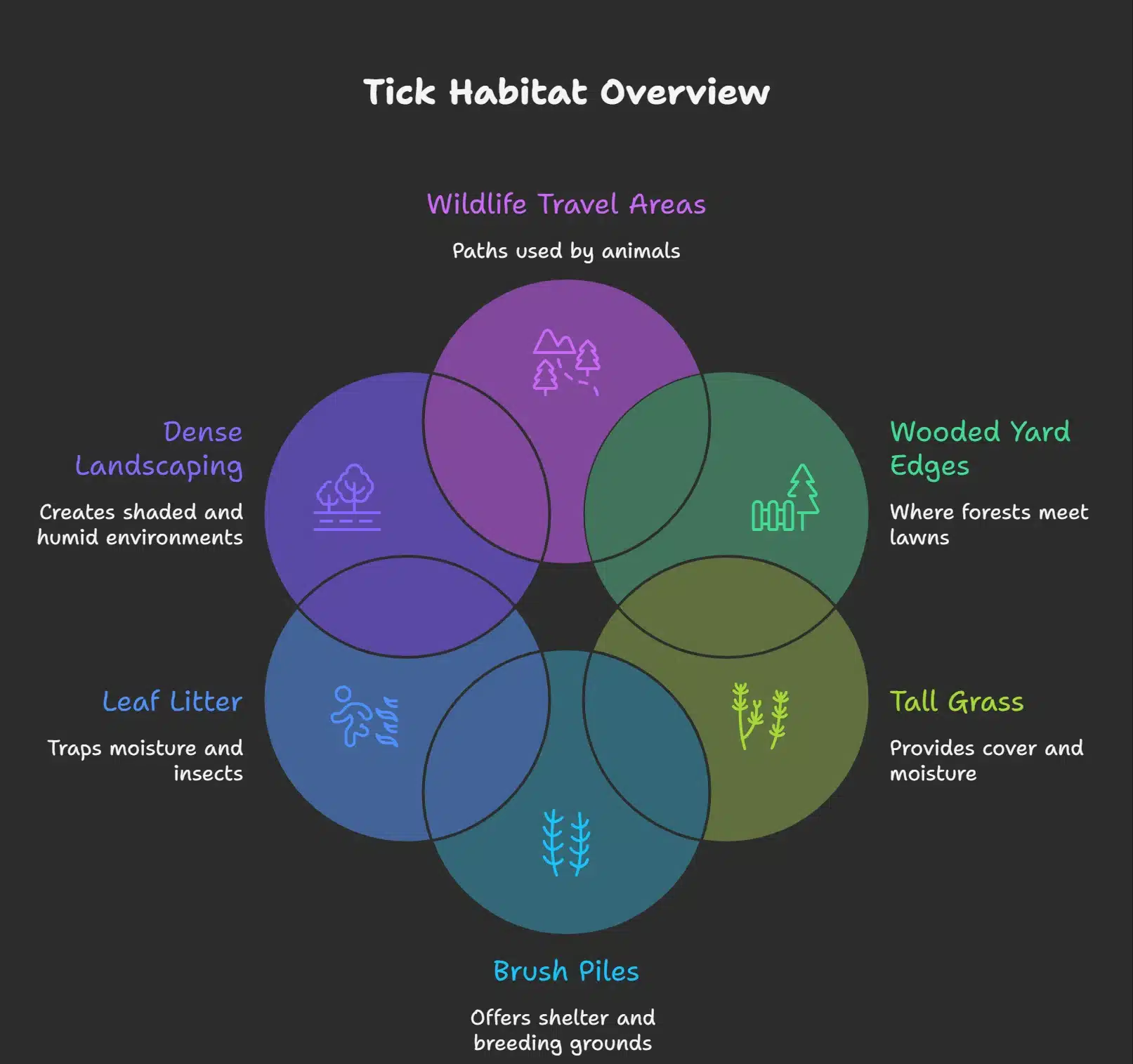
Ticks thrive in areas that provide shade, moisture, and wildlife activity.
Common tick habitats include:
- wooded yard edges
- tall grass
- brush piles
- leaf litter
- dense landscaping
- areas where wildlife travels
Backyards near wooded areas often experience higher tick activity, especially in neighborhoods with abundant wildlife.
Need fast, reliable help? Our team is ready to assist you today.
Why Tick Protection Is Important for Families
Ticks can pose risks to both people and pets. Children and pets are particularly vulnerable because they spend more time playing in grass, wooded areas, and outdoor spaces where ticks live.
Reducing tick habitat around the yard can help lower the chances of ticks coming into contact with family members. This is why many homeowners choose to protect their yards with tick control as part of a comprehensive home insect protection program. Zuckerman’s Pest Management offers solutions designed to reduce these risks.
How to Reduce Tick Activity Around Your Yard
Homeowners can reduce tick populations by improving yard conditions.
Helpful steps include:
Keep grass trimmed
Ticks prefer tall vegetation where they can wait for passing hosts.
Remove leaf litter
Ticks often hide in leaf piles and debris.
Trim dense landscaping
Reducing thick shrubs and vegetation can limit tick habitat.
Create yard borders
Gravel or mulch borders between wooded areas and lawns can reduce tick migration.
These steps can make yards less attractive to ticks.
Why Professional Yard Protection Helps
Because ticks can migrate from nearby wooded areas or neighboring properties, prevention alone may not eliminate tick problems.
Professional pest control services can help reduce tick populations by:
- targeting tick habitats
- treating shaded yard areas
- creating protective barriers around outdoor spaces
- reducing tick populations near the home
These treatments are typically included as part of a full home insect protection program, which helps protect both indoor and outdoor areas from seasonal pests. Zuckerman’s Pest Management provides reliable, long-term protection plans.
Protect Your Yard from Ticks in Central Ohio
With tick populations continuing to increase across Ohio, protecting your yard has become more important than ever.
Zuckerman’s Pest Management provides yard pest protection services throughout Central Ohio, helping homeowners reduce ticks and other outdoor pests as part of a comprehensive home protection plan.
Need fast, reliable help? Our team is ready to assist you today.
FAQ
Are ticks in Ohio spreading Lyme disease?
Yes. The blacklegged tick (deer tick) found in Ohio can transmit Lyme disease.
Why are ticks becoming more common in Ohio?
Warmer winters, increased wildlife populations, and favorable breeding conditions have allowed tick populations to expand.
Where are ticks most common?
Ticks are commonly found in wooded areas, tall grass, leaf litter, and shaded landscaping.
How can I reduce ticks in my yard?
Maintaining landscaping, removing leaf litter, and treating tick habitats can help reduce tick populations.